
New Orleans, LA · Garage Door Service
Older Garage Doors Across New Orleans: Repair or Replace
Most houses near New Orleans went up between 1958 and 1997. Here's what that means for repairing versus replacing an aging garage door in this climate.
- Repairs & new doors
- Springs & openers
- Serving 7 nearby communities
What Is Going On
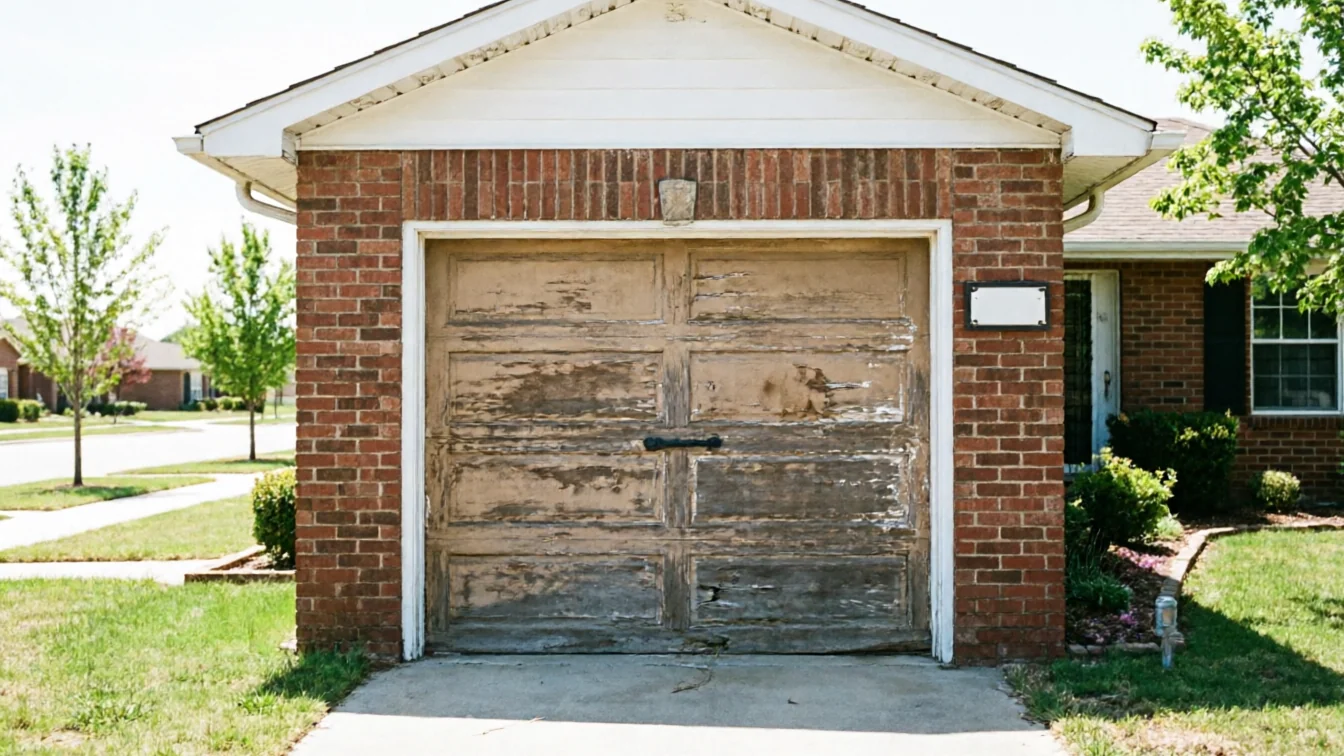
Across the service area, the housing stock runs 1958 to 1997, with the median build year sitting at 1977. That's not a small range - it covers everything from post-war ranch houses to doors installed when disco was still playing on the radio. Areas like Chalmette, Arabi, and Gretna, along with closer-in neighborhoods like Village De L'Est and Little Woods, carry a lot of that same-era stock: single-car and two-car garages built with the hardware standards of their decade, not ours.
A door from 1977 wasn't built wrong. It was built to the codes and materials of that year. The track gauge, the spring sizing, the panel thickness - all of it reflects what a garage door was supposed to do forty-plus years ago, which is different from what we ask a door to do now with heavier insulated panels and openers with more horsepower. When a door that age starts acting up, the question isn't just "what's broken" - it's whether the rest of the unit is worth building around.
Some of these doors are still structurally sound and just need a spring or a roller. Others have frames that have shifted enough, or panels thin enough, that fixing one part just exposes the next failure. We look at the whole door before we quote a repair, not just the part that's making noise.
What Local Conditions Do
New Orleans sits in a mild climate band with occasional freezes - not the brutal freeze-thaw cycling you'd get further north, but enough cold snaps through the year to matter for metal parts. Torsion springs lose flexibility in cold air, and a spring that's already fatigued from decades of cycling is more likely to snap on the one or two genuinely cold mornings each winter than on a mild one.
Mild doesn't mean gentle, either. A door built in the 1960s or 70s wasn't engineered with today's insulation standards, and galvanized hardware from that era shows its age differently than hardware installed in the last ten years. On an older door, we're often not just fixing the symptom - we're checking whether the track alignment and spring sizing still match what the door weighs today, especially if a panel's been swapped out at some point by a previous owner.
This matters more in a service area where the typical household (median income $58,255 across roughly 66,523 owner-occupied houses) is weighing a repair bill against a replacement bill. We'd rather tell you honestly which side of that line your door falls on than sell you a patch that won't hold.
The Seasonal Bit
The freezes here are occasional, not constant, and that's actually part of what makes them hard on old hardware. A spring that's cycled through forty mild winters with only a handful of hard freezes doesn't get the same gradual hardening you'd see in a true four-season climate - it gets sudden stress on the rare cold morning, after months of flexing in warmer, more forgiving conditions. That's often when an old torsion spring finally lets go: not in August, but on the one January morning that dips hard.
We don't see ice buildup on tracks the way companies further north do, so that's not something we spend time on. What we do see, especially on doors from the 1958-1997 range, is lubricant that's dried out from years of heat exposure and never been reapplied, plus hinges and rollers that have simply outlasted their rated cycle count. A yearly check before the cold snaps hit catches most of this before it becomes a Saturday morning emergency.
When to Call Someone
If your door is sticking, making a popping sound, or one panel is visibly lower than the other, call before it fails completely - a spring under tension that finally breaks can bend the track or drop the door hard. If your house falls in that common 1958-1977 build window and the door is original, it's worth having someone look at the whole unit, not just whatever part is currently loud.
Here's the honest limit: on doors from the older end of that range, we don't always carry the exact replacement panel or hardware on the truck, since manufacturers stopped making some of those parts years ago. Sourcing an exact match can take longer than a same-day repair, and sometimes the better call is replacing the section, or the door, rather than hunting down a discontinued part. We'll tell you which situation you're in before we start work, not after.
Frequently asked questions
Is it worth fixing a garage door from the 1970s?
Often, yes, if the frame and track are square and the only failure is a spring, cable, or opener part. The housing stock here runs 1958-1997, so plenty of doors that age are mechanically sound. The deciding factor is usually whether the track has shifted or the panel has thinned, not the age number itself.
Does New Orleans' climate wear out garage door springs faster?
The mild climate with occasional freezes is actually a mixed bag. There's less constant freeze-thaw stress than colder regions see, but the handful of hard-cold mornings each year hit springs that have spent months flexing in warm, humid conditions without hardening up the way they would in a true winter climate.
Can you still get parts for a garage door built in the 1960s?
Sometimes, but not always on the truck. A lot of hardware from that era has been discontinued by manufacturers, so sourcing an exact match can take longer than a standard repair. In those cases we'll usually walk you through whether a section swap or full replacement makes more sense than waiting on a part.
Related garage door services in New Orleans
More garage door guides
Book garage door service in New Orleans
Call now or request a quote - tell us what the door is doing and where you are.