
New Orleans, LA · Garage Door Service
Why New Orleans Garage Doors Wear the Way They Do
New Orleans Garage Door Pros on why doors from the 1958-1997 building wave, paired with a mild climate that still dips below freezing, wear the way they do here.
- Repairs & new doors
- Springs & openers
- Serving 7 nearby communities
What Is Going On
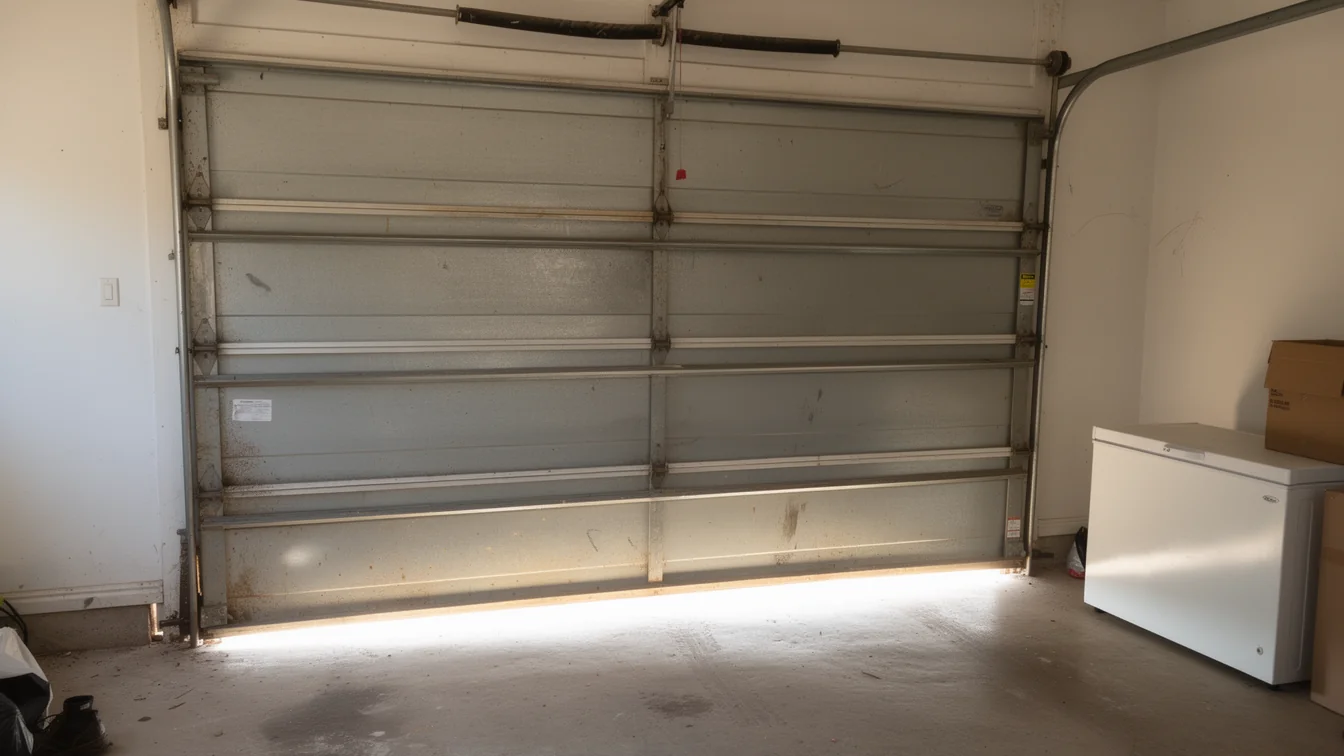
Most of the garage doors we open up around here went in sometime between 1958 and 1997, with the median house dating to about 1977. That's not a random spread - it lines up with the building boom that filled in neighborhoods from Village De L'Est out past Algiers, and it means a lot of the doors on this side of the metro are the same handful of designs, installed by the same handful of builders, over a thirty-year stretch. A door from that era wasn't built with the insulation standards we use now. It was built to keep rain and sun out, not to hold a conditioned temperature inside the garage. That matters less for the door panel itself and more for everything attached to it - the track alignment, the weatherstripping channel, the way the frame was shimmed into a slab that's had forty-plus years to settle. When a homeowner calls about a door that binds on one side or won't seal at the bottom, nine times out of ten the door is fine. The opening around it has moved. That's the starting point for almost every job we look at across the 24 or so areas we work in, and it's worth knowing before you start guessing at what's actually wrong.
What Local Conditions Do
We're in a mild climate band with occasional freezes, not a hard winter climate, and that shapes what breaks and what doesn't. You don't get the brittle, cracked torsion springs that show up in places with real cold snaps - our springs usually fail from cycle count and humidity, not temperature shock. What you do get is moisture working steadily into anything that was never sealed for it. Doors built before insulation rules went into most local codes often have steel skins with no thermal break and bare wood jambs behind the trim. In a climate that stays humid most of the year, that wood jamb is the weak point - it swells, the track bolts loosen, and the door starts walking in its tracks even though the opener and springs are doing their job fine. We see this pattern most in the older pockets closer to the river and canals, where ground moisture has had decades to work on original framing. It's not a dramatic failure. It's a slow one, and most owners don't notice until the door is dragging audibly or won't fully seat at the bottom.
The Seasonal Bit
Because the freeze threat here is occasional rather than routine, the seasonal pattern isn't about ice - it's about swing. A mild winter with a handful of nights below freezing followed by a long humid stretch puts more stress on an old wood jamb than a steady cold climate ever would, because the material is expanding and contracting instead of just staying contracted. That's hard on the screws holding track brackets to a jamb that was never built with a thermal break behind it. We get more calls about tracks pulling loose in the weeks after one of those cold snaps than at any other time of year. It's also when weatherstripping that's been drying and cracking all summer finally lets enough water in that an owner notices standing moisture along the bottom panel. None of this is damage from one bad night. It's the accumulation of thirty-some years of these small cycles on a door and frame that predate current insulation requirements, finally showing up as a specific, fixable problem.
When to Call Someone
Call if the door is dragging on one side, if you can see daylight along the bottom seal, or if track brackets have visibly pulled away from the jamb - all three point to the frame-and-moisture pattern common in houses from this build era. We'll be honest about the limitation here: if the jamb itself is rotted through, no amount of track adjustment fixes that, and we'll tell you it's a carpentry job before a garage door job. We don't do structural wood repair. What we can do is reset the track, reseal the opening properly for a door that was never insulated to begin with, and tell you straight whether the door itself still has life in it or whether it's cheaper long-term to replace a thirty-plus-year-old panel than keep shimming around a worn-out frame. If you're anywhere from the Lower Ninth Ward out toward Belle Chasse or up through Harahan and River Ridge, the diagnosis is usually the same starting point: check the frame before you blame the door.
Frequently asked questions
Why does my garage door only stick in certain weather?
Your door and frame likely date to the 1958-1997 building wave common across this area, before insulation standards covered garage openings. In our mild-but-occasionally-freezing climate, wood jambs behind the track swell and shrink with humidity swings more than with cold itself, which pulls brackets loose and makes the door bind inconsistently rather than on a fixed schedule.
Is it the spring or the frame?
If the door is heavy to lift by hand evenly on both sides, suspect the spring. If it drags more on one side, catches partway, or the opener strains against resistance that changes by season, suspect the track and frame - the more common issue in houses built before insulation rules tightened up the opening itself.
Can you fix a rotted door jamb?
No - that's carpentry, not garage door work. We'll reset track hardware and reseal once the frame is sound, but if the wood behind the bracket is soft or crumbling, you need that repaired first. We'll tell you plainly when a job has reached that point instead of patching over it.
Should I just replace an old door instead of repairing it?
Depends on age and condition. A door from the 1960s-70s stock common here has often outlived its hardware even if the panel looks fine. If the frame needs work anyway, it's often worth pairing it with a new insulated door rather than fitting modern weatherstripping to a decades-old panel that was never designed for it.
Related garage door services in New Orleans
More garage door guides
Book garage door service in New Orleans
Call now or request a quote - tell us what the door is doing and where you are.