
New Orleans, LA · Garage Door Service
New Garage Door Installation for Marrero's 1970s Housing Stock
Marrero homes built around 1974 mostly carry single-layer steel doors on the original 7-foot openings. See what a straight swap costs and where sizing surprises come up.
- Repairs & new doors
- Springs & openers
- Serving 7 nearby communities
How It Shows Up
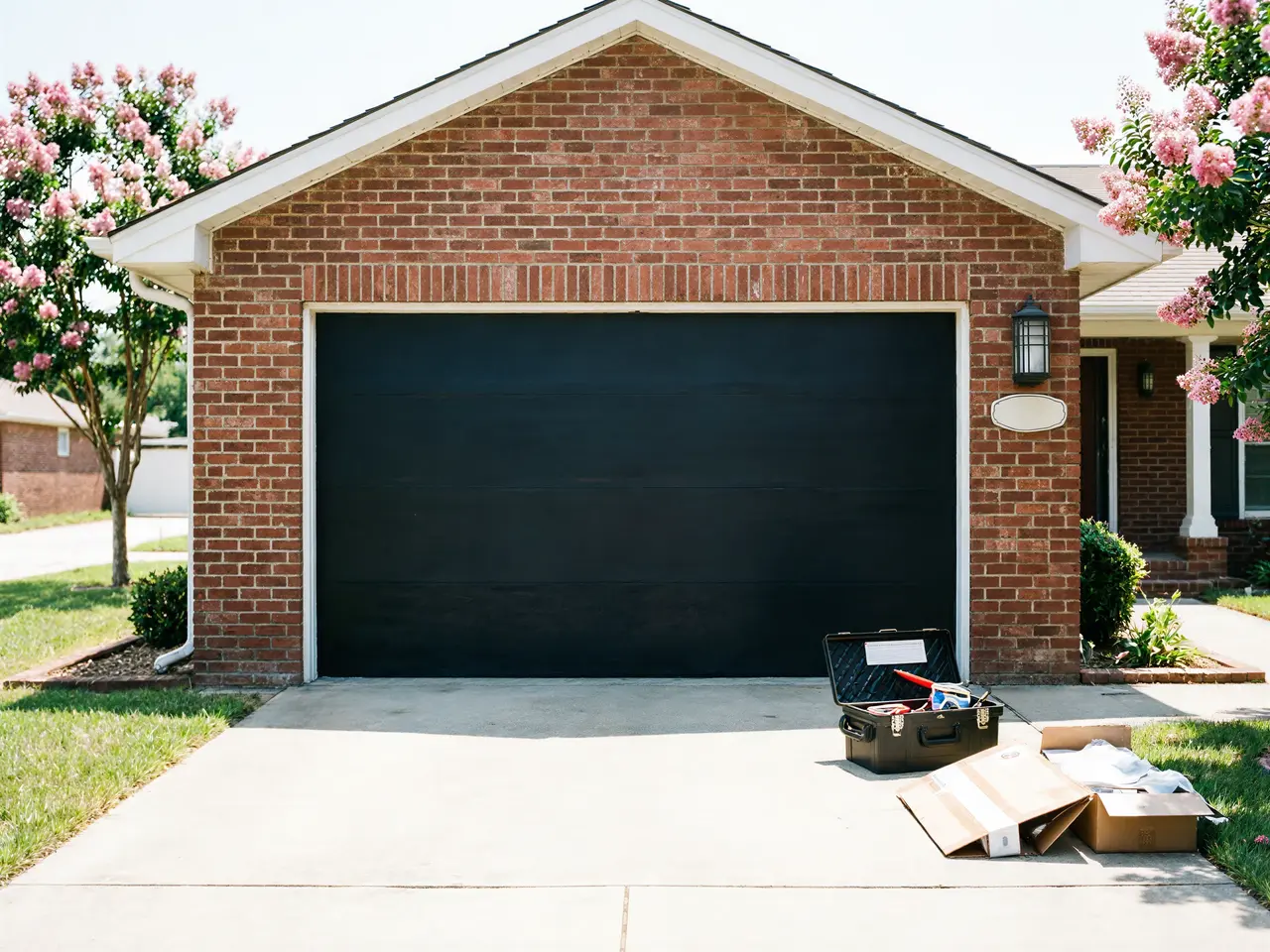
Most houses on this stretch went up around 1974, and the garage door that came with them was almost always a single-layer steel panel door, no insulation, hung on a 7-foot-tall opening rather than the 8-foot openings you see in newer construction. That door has had fifty years in a mild, humid climate with occasional freeze nights, and steel that age usually shows it at the bottom panel first - rust creeping up from the weather seal, or a slight bow across the width from decades of sun on one side and shade on the other. The springs on these doors have usually been swapped at least once already, sometimes twice, but the door itself, the track, and the opening framing are original. When a homeowner calls about installation rather than repair, it's typically because the door is cosmetically shot, the panels are denting instead of flexing, or the door's gotten heavy enough that the opener is straining to lift it every time.
The DIY Question
A retail steel door kit from a home center will physically bolt into a 1970s opening in Marrero, but the opening itself is the catch. Framing from that era wasn't built to a modern door spec, so a new door often needs the jamb shimmed, the header checked for square, and sometimes a wider stop added before the panels will seal right. None of that shows up until the old door's off the hinges. We've seen installs where the new door went in fine and others where the opening needed an afternoon of carpentry first - there's no way to know which one you've got until someone's standing in front of it with a level. If you're comfortable with that uncertainty and have a helper for the panel weight, a single-car door is doable. A double door, or any door going onto one of these original 7-foot openings, is a two-person job minimum and not a great first DIY project.
Why This Fails Locally
The failure mode here isn't the door brand, it's the mismatch between a modern off-the-shelf unit and a 50-year-old opening. New doors are sized and insulated for today's standard framing; a 1974 Marrero opening was framed for a thinner, uninsulated panel and a lighter steel gauge. Install a heavier insulated door without checking the header and track clearance, and you can end up with a door that binds at the top, an opener that's under-torqued for the new weight, or trim that doesn't close the gap it used to. With roughly 12,555 households in this part of the service area built in that same window, this isn't a one-off problem - it's the standard condition of the housing stock, and it's why a straight swap-and-bolt approach from a big-box crew more often needs a callback than a clean first install.
What It Costs
We don't have a flat number to quote here, because the cost split on these jobs is driven almost entirely by whether the opening needs framing work before the new door goes in. A clean opening with square framing is a straightforward swap. One that needs the jamb reset or the header reinforced adds labor and sometimes lumber before the door itself is even hung. Marrero's median household income runs lower than some of the newer-built suburbs in this service area, and we factor that into how we price options - a basic uninsulated steel door costs less up front than an insulated one, and for a detached garage that isn't climate-controlled, the cheaper door is often the right call, not a compromise.
Where This Job Goes Sideways
The two places this goes wrong: the opener and the track. A 1974 door was almost certainly paired with a lighter-duty opener than what's standard now, and a new, heavier insulated door can outpace that opener's lift capacity - the motor runs but struggles, and burns out faster than it should. The other spot is the track alignment. Fifty years of a slightly racked opening means the old track was shimmed to match a door that's not the one going back up. A new door on an old, unadjusted track will bind, drag, or walk off the roller path within a few months. Both of those get caught during installation if someone's checking for them, not after the first service call. We travel to Marrero from New Orleans for this work, about 16 miles out, so we plan these as full installs rather than quick add-ons.
Frequently asked questions
Will a new door fit my 1970s garage opening without extra work?
Sometimes, but not always. Openings from that era in Marrero were framed for a thinner original door, so we check the jamb and header for square before ordering. If it's off, that's extra carpentry before the new door goes in - we'll tell you up front if we find it.
Do I need a new opener with a new door?
Often yes. A 1970s-era opener was sized for a lighter, uninsulated steel door. If you're upgrading to an insulated door, the added weight can push an old opener past what it was built to lift, which shortens its life fast.
Is an insulated door worth it for a detached garage here?
Not always. If the garage isn't climate-controlled, a basic steel door costs less and does the job fine. Insulation makes more sense if the garage is attached or used as a workspace, given the mild but humid local climate.
Can I install a garage door myself?
A single-car door is possible with help and basic tools, but you won't know if the opening needs framing adjustments until the old door is off. Double doors or anything going onto an original 7-foot opening really need two people and some carpentry experience.
Book garage door service in New Orleans
Call now or request a quote - tell us what the door is doing and where you are.